The treasurer is in possession of accounting software. The president is able to access a folder with governing documents stored in cloud storage. Resident emails are distributed across personal inboxes. Images of violation are stored on someone’s phone. The board member also has the password to the website of the community.
Everything is technically possible.
Finding the right option is not an easy task.
Administrative complexity can grow for homeowners associations that is self-managed. One problem can be resolved with a spreadsheet. Another issue is solved through an online chat. The board can also provide sharing storage, accounting websites payment online, and another means of communication with residents.
Eventually, volunteers will spend just equally time managing tools as they do managing the community.
The problem isn’t with self-management.
Self-management gives an association complete oversight over its operations. Board members aren’t paid administrative staff, they are volunteers.
The board is still required to collect assessments, manage records of owner information, track expenses, and maintain contact with residents. They also have to document violations, organize documents as well as prepare reports and maintain documents.
HOA software can reduce administrative work, but not eliminate the association’s power.
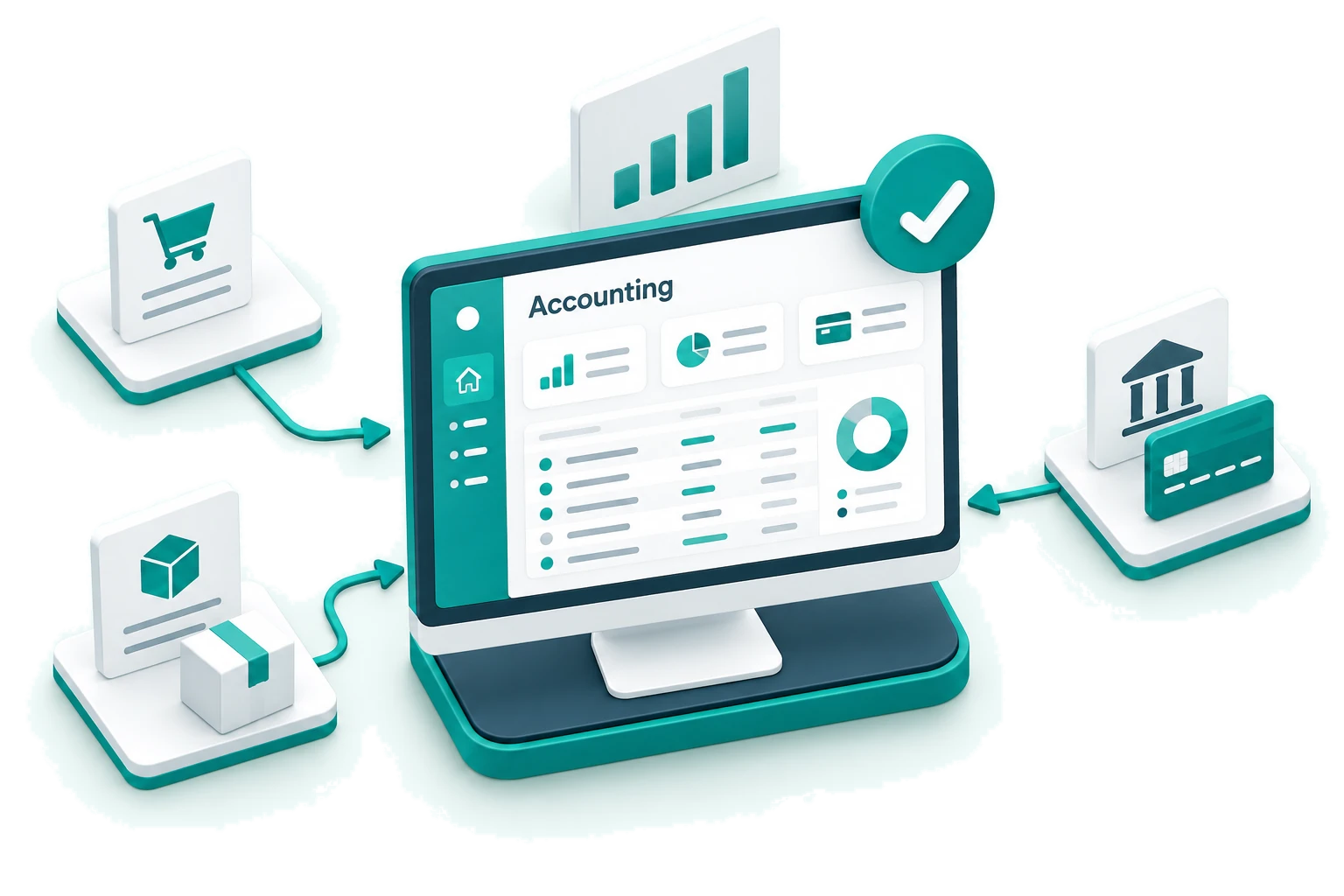
Perfect HOA does this by combining all records (units, finances, payments and communications) along with documents, violations, resident portal as well as meeting minutes into an online system.
What happens when an owner leaves?
Rather than updating one spreadsheet to include the owner’s name as well as updating a different contact list, checking out another payment method or manually altering access to websites, central records can be useful for all administrative functions.
The Treasurer should not have to re-build the Financial Picture
When information is not centralized, it could cause similar problems.
Transactions in banking are handled in a single location. Assessment payments are received in other places. The budget could be a spreadsheet. If asked how the actual expenditure compares to the annual budget the treasurer has to come up with the data.
HOA accounting software becomes much more useful when bookkeeping is connected to the association’s everyday activity.
Perfect HOA syncs bank and card transactions using Plaid. It is also able to categorize transactions and generate reports such as Profit & loss, Budget vs. actual, and Cash flow. Funds for operating, reserves as well as special assessments can be monitored separately.
It’s essential to realize that HOA accounting doesn’t mean making an annual report. The board might need to determine whether landscaping costs are running above budget, the amount that remains in a reserve account, or if assessment collection is being kept up with expenses planned.
The less dependent the community is of a private spreadsheet and the simpler it will be to track down the answers.
Residents shouldn’t be required to inquire questions about everything
Centralization could enhance the experience of residents too.
Take a look at the questions an HOA is asked on a regular basis. What documents are there for my community? Does my account have a payment? How can I find out the latest information? Where can I access information about the association?
A useful HOA website builder must create more than a public-facing homepage. Perfect HOA integrates the community website with a resident’s portal to ensure that owner information and other documents linked to the management system.
It’s no longer required to keep two sets of data for the website and another for a board.
Residents can also look in a logical way before emailing an elected board member to inquire for something that is already available.
Record-keeping is essential when You’re Not Happy
The real test of an HOA’s administration system usually months later.
The resident is able to contest an infraction. A person asks if a notification was sent. A new board is trying to figure out an earlier decision. An auditor needs financial information. The treasurer suddenly quits.
The memory is not enough.
Perfect HOA keeps track of communication history along with delivery details, documents, and timelines of violations. Photographic evidence, notices of escalation, fines, and other information can be included in a violation rather than having to reconstruct it using scattered emails.
Board meetings can also create records that need to be kept. AI-generated meeting minutes could ease the burden of manually turning meetings that are long into acceptable written record.
Self-management in an HOA requires people to take choices. Software shouldn’t replace that responsibility.
It’s time to end the investigations that surround it.
When all the information pertaining to residents’ information as well as financial records, payments, documents and violations – is all in one place, board members are less likely to inquire “Who has it?” and can focus on the actual issue that is at hand.
This is the best automation for a volunteer board.